The Momentum Equation: Why Growth Slows Down Even When Teams Work Hard
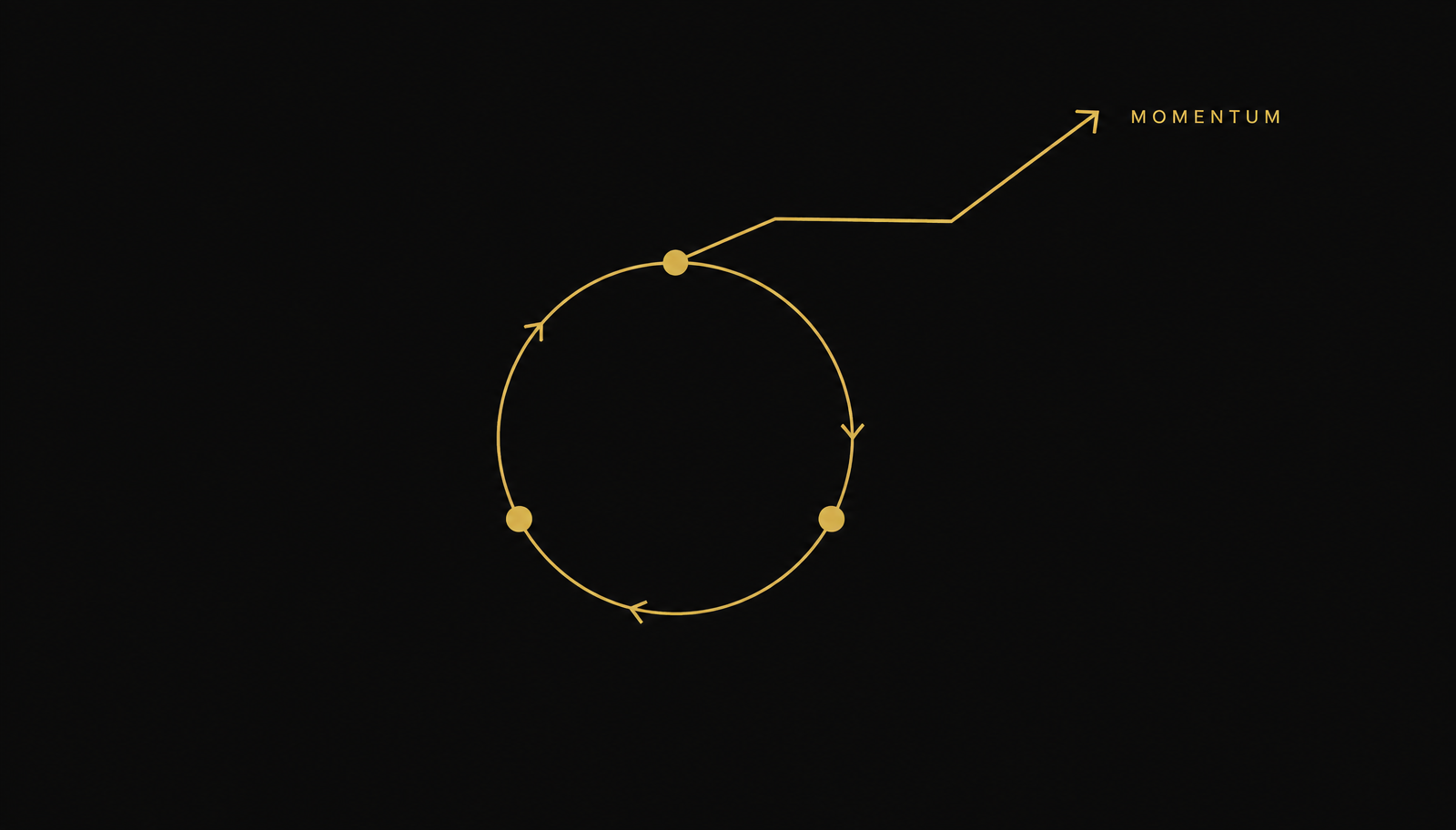
Most companies do not lack energy. They lose it through friction, overload and misalignment. Momentum improves when useful energy flows through the system.
Theodore Georgedakis6 min read
Key takeaways
Momentum = (Useful Energy − Friction) × Alignment.
Working harder rarely fixes a low-alignment system.
Removing friction is usually cheaper than adding effort.
The equation
Momentum = (Useful Energy − Friction) × Alignment
Momentum is not the same as activity. A team can be fully busy and still produce no compounding outcome. The equation makes the trade-offs visible: useful energy fuels growth, friction eats it, and alignment multiplies whatever is left.
What counts as useful energy
Useful energy is work that advances the customer decision journey or the operating system that supports it. Internal motion that does not move either is energy spent, not invested.
Campaign launch is not the finish line. The strongest growth systems measure, learn and optimize continuously through clear rhythms and decision rules.
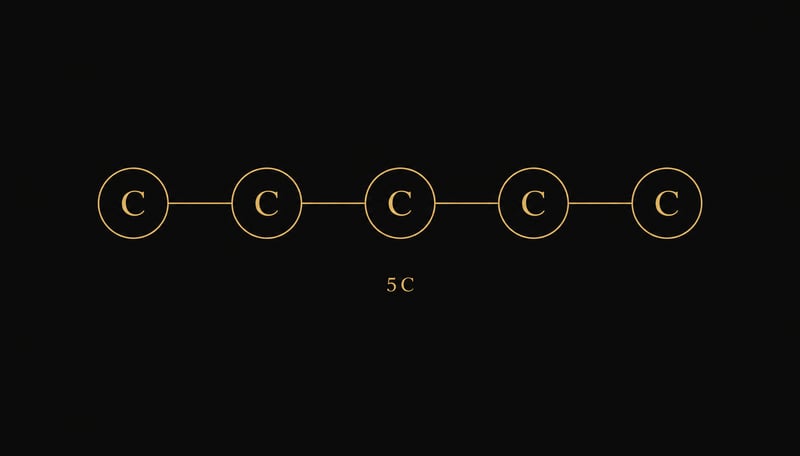
Growth comes from five decisions working together: which problem you solve, how you stand out, how interest becomes a customer, where you meet that customer, and how you learn from every move. The 5C is how DAY ONE puts them in order.
Most marketing problems are diagnosed too late. Before changing channels, creative or budget, businesses need to clarify the actual growth problem they are trying to solve.